Foods That May Help Reduce Anxiety Naturally
Anxiety is one of the most common mental health challenges people face today. While occasional anxiety is a normal response to stress, persistent feelings of worry, nervousness, and tension can affect daily life and overall well-being. Although professional support is important for managing anxiety, research suggests that certain dietary choices may also play a helpful role.
The connection between diet and mental health is stronger than many people realize. The foods we eat provide nutrients that support brain function, regulate mood, and help the nervous system operate effectively. Choosing foods that may help reduce anxiety naturally can be a simple yet powerful step toward better emotional health.
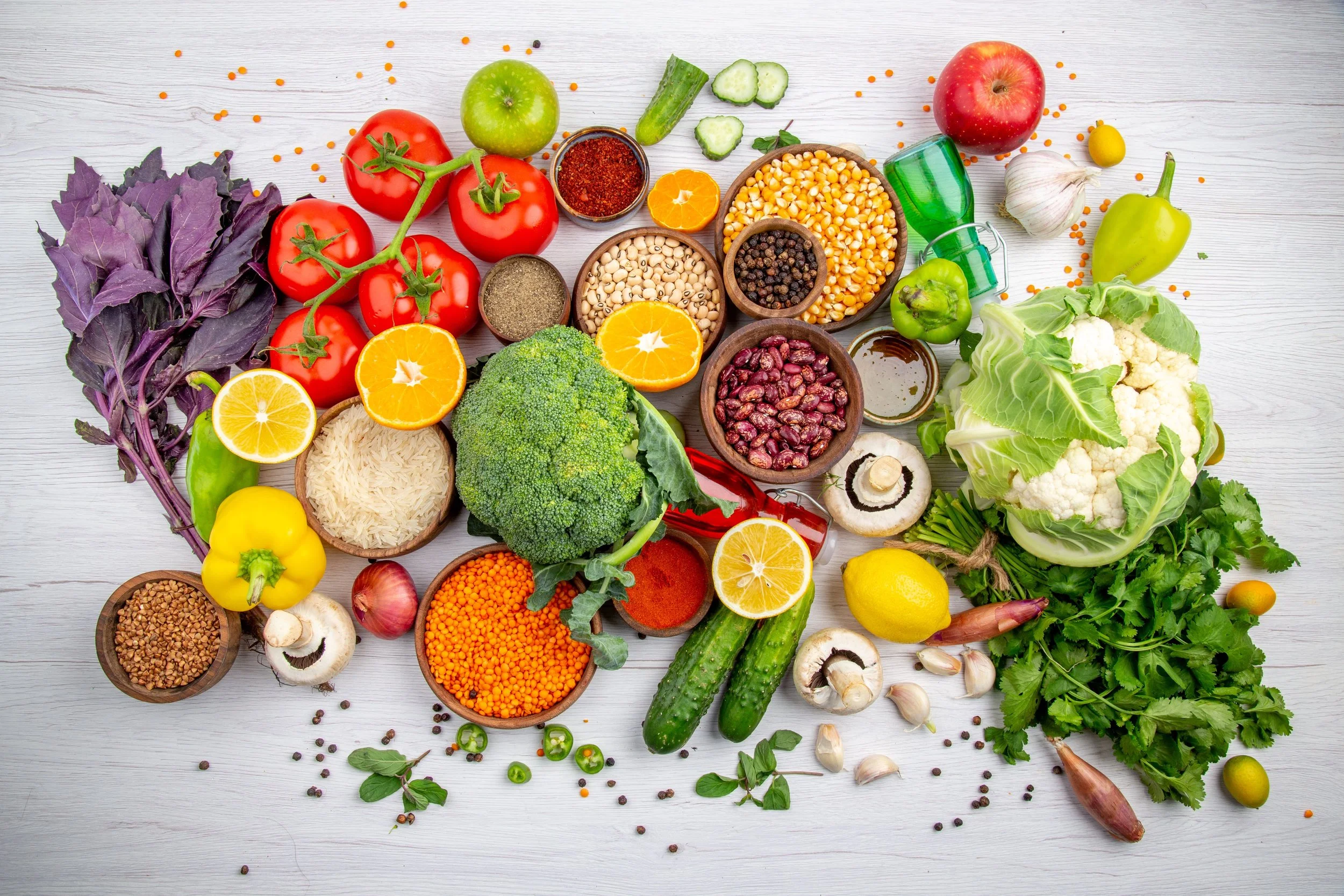
How Food Affects Anxiety?
The brain relies on a steady supply of nutrients to produce neurotransmitters such as serotonin, dopamine, and gamma-aminobutyric acid (GABA), which help regulate mood and stress levels. When the body lacks essential vitamins, minerals, and healthy fats, it may become more difficult to manage anxiety and emotional stress.
In addition, the gut and brain are closely connected through what experts call the gut-brain axis. A healthy digestive system can positively influence mood, making nutrition an important part of emotional well-being.
Fatty Fish
Fatty fish such as salmon, sardines, tuna, and mackerel are rich in omega-3 fatty acids. These healthy fats play an important role in brain health and may help reduce inflammation associated with stress and anxiety.
Omega-3 fatty acids support communication between brain cells and may help regulate mood. Including fatty fish in your diet two or three times a week can provide valuable nutrients that support emotional balance.
Dark Chocolate
Many people reach for chocolate when feeling stressed, and there may be a scientific reason behind it. Dark chocolate contains antioxidants and compounds that may help improve mood and reduce stress levels.
It can also stimulate the release of serotonin and endorphins, chemicals associated with feelings of happiness and relaxation. Choosing dark chocolate with a high cocoa content can provide the greatest benefits while limiting added sugar.
Leafy Green Vegetables
Spinach, kale, Swiss chard, and other leafy greens are packed with magnesium, a mineral that plays a key role in nervous system function.
Low magnesium levels have been linked to increased anxiety symptoms in some individuals. Regularly consuming leafy greens may help support relaxation and contribute to a healthier stress response.
Nuts and Seeds
Almonds, walnuts, pumpkin seeds, chia seeds, and sunflower seeds are excellent sources of nutrients that support brain health.
These foods contain:
Magnesium
Zinc
Healthy fats
Vitamin E
Protein
Zinc, in particular, has been associated with improved mood regulation and emotional resilience. Adding a handful of nuts or seeds to your daily routine can be a simple way to support mental wellness.
Yogurt and Fermented Foods
The health of the gut can significantly influence mental health. Foods rich in probiotics help support beneficial gut bacteria, which may positively affect mood and anxiety levels.
Examples include:
Yogurt
Kefir
Kimchi
Sauerkraut
Miso
These foods may help strengthen the gut-brain connection and promote emotional well-being.
Oats and Whole Grains
Whole grains such as oats, brown rice, quinoa, and whole wheat provide complex carbohydrates that help maintain stable blood sugar levels.
Stable blood sugar is important because sudden spikes and crashes can contribute to feelings of irritability, fatigue, and anxiety. Complex carbohydrates also help increase serotonin production, which may promote a calmer mood.
A bowl of oatmeal in the morning can provide long-lasting energy and support emotional balance throughout the day.
Berries
Blueberries, strawberries, raspberries, and blackberries are rich in antioxidants that help protect the body from oxidative stress.
Chronic stress can increase inflammation and damage cells over time. The antioxidants found in berries help combat these effects while supporting overall brain health.
Their natural sweetness also makes them a healthy alternative to processed sugary snacks.
Green Tea
Green tea contains an amino acid called L-theanine, which has been studied for its calming effects.
L-theanine may help promote relaxation without causing drowsiness. Many people find that drinking green tea provides a gentle sense of calm while maintaining focus and alertness.
This makes green tea one of the most popular natural foods for anxiety management.
Avocados
Avocados are packed with healthy fats, fiber, and B vitamins that support brain function and nervous system health.
B vitamins play a crucial role in producing neurotransmitters involved in mood regulation. Including avocados in salads, sandwiches, or smoothies can provide nutrients that support emotional well-being.
Hydration Matters Too
While food is important, staying hydrated is equally essential. Even mild dehydration can affect mood, concentration, and energy levels.
Drinking enough water throughout the day helps the body function properly and supports overall mental health.
A Balanced Approach to Anxiety Management
Although anxiety-reducing foods can support emotional wellness, they should not be viewed as a cure for anxiety disorders. Nutrition works best as part of a comprehensive approach that may include exercise, quality sleep, stress management techniques, therapy, and professional support when needed.
Small dietary changes can have a meaningful impact over time and contribute to improved mental resilience.
Conclusion
Foods that may help reduce anxiety naturally include fatty fish, dark chocolate, leafy greens, nuts, seeds, yogurt, whole grains, berries, green tea, and avocados. These nutrient-rich foods support brain health, help regulate stress responses, and promote overall emotional well-being.
By focusing on healthy foods for anxiety and maintaining a balanced lifestyle, individuals can take positive steps toward reducing stress and supporting long-term mental health naturally.